How to set up a meditation space
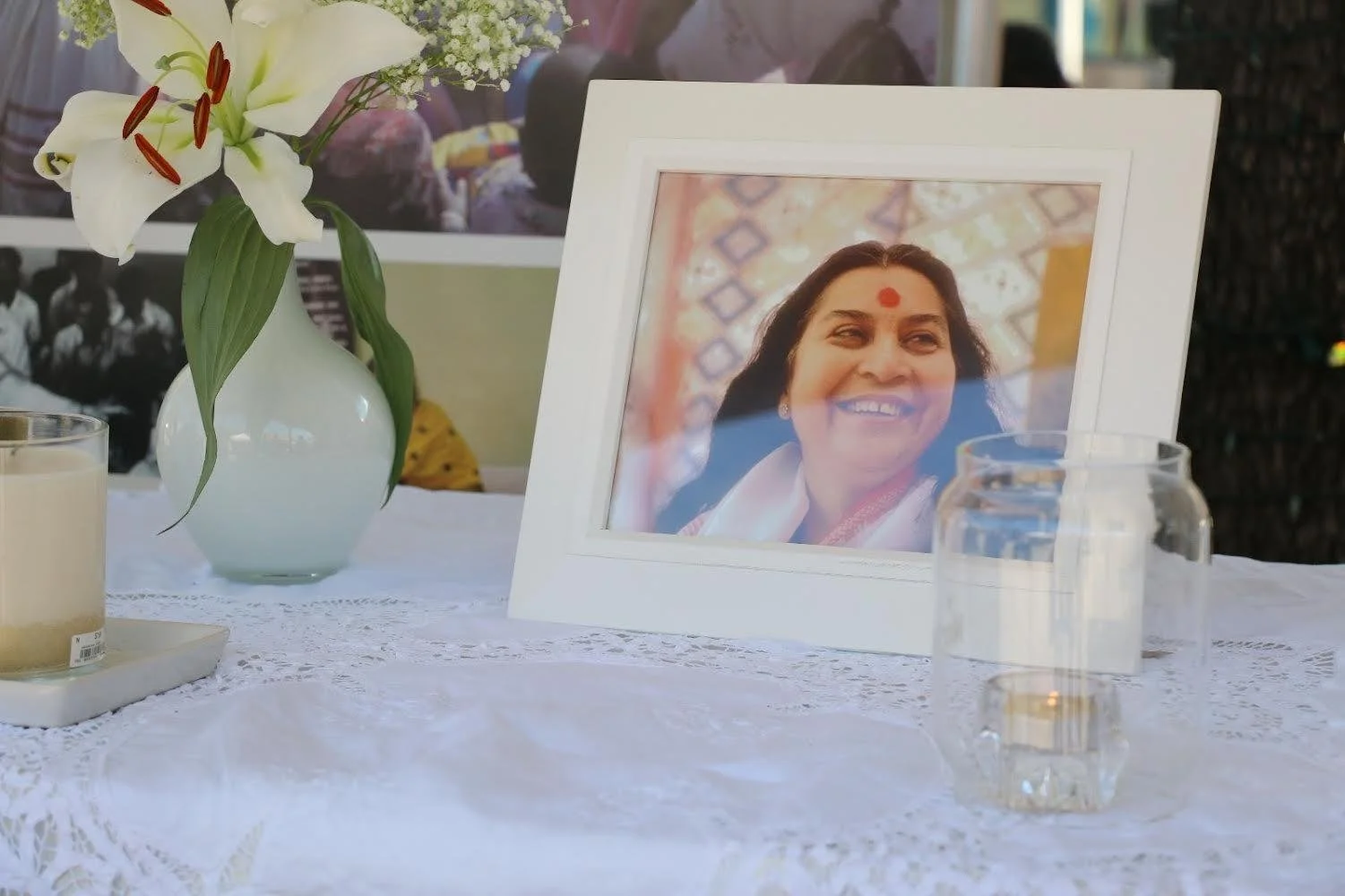
One of the real game-changers in my meditation practice was place.
For a long time, I treated meditation as something I could squeeze in anywhere: a chair, a couch, the edge of the bed, five distracted minutes before moving on to the next thing. It worked… sort of. But it never quite settled.
What changed everything was creating a small, intentional space—nothing elaborate, nothing dramatic—just a place that quietly signaled, This is where I come to be still.
For Christians, this idea can raise immediate questions.
Is this devotional?
Is it performative?
Is it… weird?
If you grew up with the idea that faith is internal and portable—and that physical objects are suspicious—it’s understandable to hesitate. But Christianity has always used physical space and material reminders: altars, candles, icons, kneeling benches, prayer corners. A meditation space isn’t about worshipping objects. It’s about helping the body and attention come into alignment.
Here’s a simple way to set one up.
A simple Sahaja Yoga meditation space
Find a clean, uncluttered surface
A small table, shelf, or section of a counter works well. The key is simplicity. This space should feel calm, not crowded.Lay down a clean cloth made of natural fibers
Cotton, linen, silk, or wool are traditionally recommended to create a space that feels grounded and natural. Avoid synthetic materials like polyester or nylon if possible.Place a photo of Shri Mataji at the back of the cloth
A simple frame made of wood and glass is ideal. If you don’t yet have a photo, you can download one here: Traditional | ModernAdd a candle in front of the photo
A small tealight in a glass holder works well. A Shabbat candle is also perfectly appropriate. Light is a universal symbol of attention and presence.Optional additions
You may choose to include an incense holder (sandalwood is commonly used) or a small vase with a flower placed on either side of the photo. Not a requirement. It simply supports creating a sense of care.
Why do we use a photo of Shri Mataji in meditation?
Shri Mataji’s presence had the capacity to enlighten the spirit within others. That capacity is active, not symbolic. The photograph is used because it carries that same vibrational quality. (Even Shri Mataji expressed delight that the photograph worked as if she were there in person.)
This is where the idea of vibrations comes in.
In Sahaja Yoga, vibrations refer to subtle sensations—often experienced as coolness or warmth—felt on the hands or at the top of the head during meditation. These sensations are understood as the flow of the Holy Spirit within the subtle system. They are not imagined or generated by effort; they are perceived when the mind becomes quiet.
The photograph is used because it helps establish this connection more easily.
Attention is directed inward, toward God. The photo is a practical aid.
As with many aspects of Sahaja Yoga, this is not something to accept intellectually. It’s something you’re invited to test quietly, through experience, and to discern for yourself what helps your meditation deepen.
Why do people sometimes bow before the photo?
Many begin meditation by bowing before the photo, putting their agnya chakra (6th chakra located at the forehead) on the floor to surrender their ego.
The gesture brings the attention into a posture of humility and openness. It’s helpful to distinguish here between an icon and an idol: an idol is treated as divine in itself, while an icon points beyond itself—to God. The photograph functions as an icon, not an object of worship.
For me, bowing before meditation has become an act of deep gratitude.
What if this feels strange?
If setting up a meditation space feels unfamiliar—or if you worry about how it might look to others—my best advice is simple: try it for a while.
You don’t need to explain it. You don’t need to defend it. You’re not making a statement. You’re creating a place to sit quietly with God.
See how it affects your meditation. Notice whether it helps your attention settle more easily. Let experience, not anxiety, be your guide.
And if your family thinks it’s a little odd? That’s okay. You’re allowed something new to create a quiet practice.